
Game
Back to homepage JoJo: Golden Spirit
  Chasing Kaleidorider
  Star Savior
  Dragon Traveler
  Star Sailors
 Database
Characters Builds Arcana Arcana TierMeta
Character Tier List Arcana Tier List Wiki HomeTools
StarSaviordle Hot Team Builder Tier List Maker CommunityQuick links
Characters Tier List StarSaviordle Hot Codes CommunityGuide
The Ultimate Star Savior Introduction Guide (2026)
Star Savior is the latest turn-based RPG from Studio Bside (the creators of CounterSide). After a rocky launch in Korea and Japan, the game has undergone massive improvements. Described as a mix of Uma Musume, Epic 7, and Honkai Star Rail, it combines high-quality 3D visuals with deep strategy.
1. What is Star Savior?
At its core, Star Savior is a turn-based "Waifu" collector (all-female cast) set in a sci-fi universe. You play as a Captain of the NOA, training "Saviors" to fight against the Void.

- Visuals: Stunning 4K graphics running at 120 FPS.
- Genre Blend: Gear system of Epic 7, break mechanics of Honkai Star Rail, and the character training loop of Uma Musume.
- Current State: Launch bugs fixed and gacha rates improved, making it a great time to jump in.
2. The Combat System
The combat is familiar to turn-based RPG players but has its own twists.
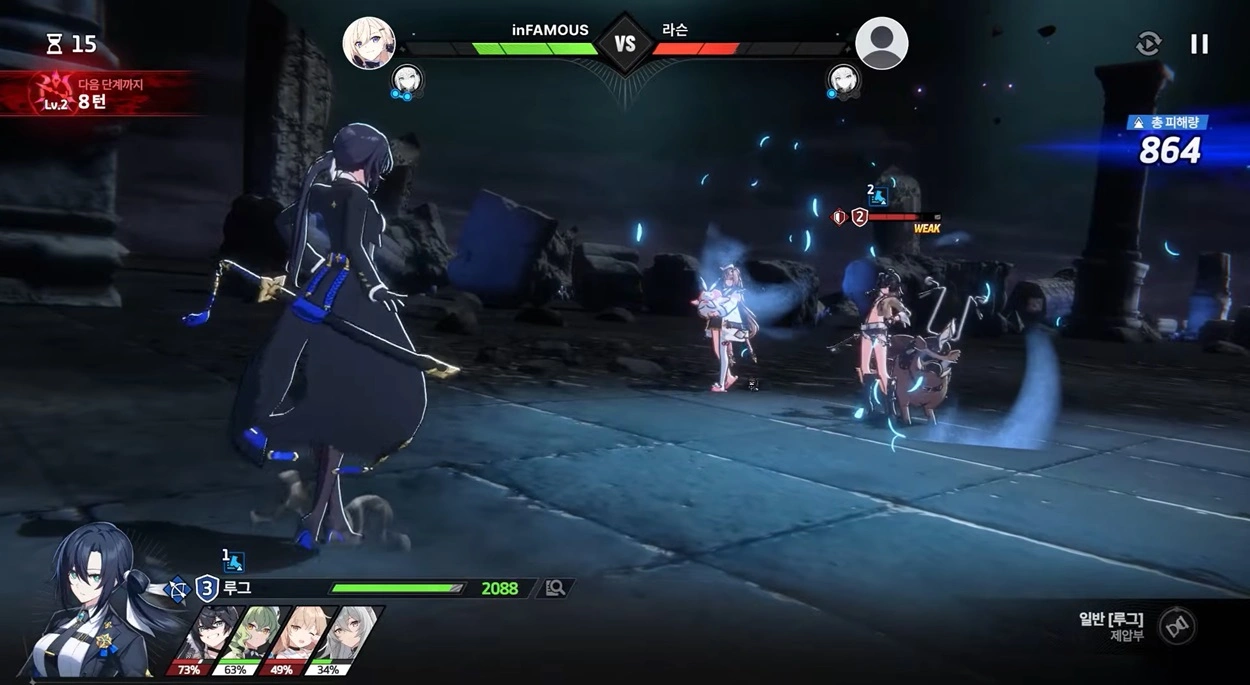
- Speed & Turn Order: A standard Action Value system. Faster units move sooner.
- The Break Mechanic: Enemies have shields. Breaking delays their turn and increases damage taken.
- Nova Burst: Charge a Burst meter to summon a powerful support effect that buffs or damages.
3. Understanding Progression: The Three Pillars
Progression is split into three distinct modes. Understanding these is key to efficiency.
A. Classic System (The Daily Grind)
Farm upgrade materials for skills and ascensions.
Best Feature: Sweeps let you instantly clear a stage once completed.
B. Battle Mode (The Idle/AFK System)
Similar to Nikke: Goddess of Victory, your account accumulates resources passively based on campaign progress. Always push as far as you can to maximize passive income.
C. Journey Mode (The Career/Training)
Inspired by Uma Musume. You do not just level up a character; you play through a career.
- How it works: You have 1 in-game year to train a character with parents and support cards.
- The Result: Finishing a Journey creates a save file with stats and skills for combat content.
- Time Saver: A skip function simulates an entire run in about 10 seconds.
4. Gearing & Building Characters
Star Savior offers a friendlier gear system than most competitors.
Relics (Equipment)
- Fixed Stats: Gloves, Helmet, Armor, and Boots have fixed main stats (Boots = Speed).
- RNG Stats: Only Necklaces and Rings have random main stats.
- Set Bonuses: Mix 4-piece or 2-piece sets for bonuses.
Skill Upgrades (Warning!)
Skill books and the currency (Cubes) are extremely scarce. Do not max every skill. Level 3 is often the sweet spot.
Synchro Device
You only need to level 4 main characters. Other characters can be placed in a Synchro slot to match the top 4 level.
5. The Gacha & Monetization
Star Savior is F2P friendly.
- SSR Rate: 4% (higher than the usual 1-2%).
- The Spark System: Pick a unit after 200 pulls.
- Carry-Over Pity: Spark points carry over between banners.
- Strategy: Build a wide roster rather than chasing duplicates.
6. Endgame Content
- Infinite Tower: Standard tower climbing.
- Cosmic Gate: Hardest PvE content with rotating mechanics.
- PvP: Arena and Real-Time Arena (RTA). Speed is king.
7. Final Verdict: Pros & Cons
The Good
- Respects your time: daily tasks under 5 minutes with Sweep and Skip.
- Generous gacha: high rates and permanent pity build-up.
- Production value: beautiful animations and soundtrack.
The Bad
- Resource drought: gold and skill materials run out fast.
- Balance issues: attackers are overpowered, defenders feel weak (expect patches).
Conclusion: Star Savior is a high-quality side game for busy players who want deep mechanics without a time sink.
Recommended Next
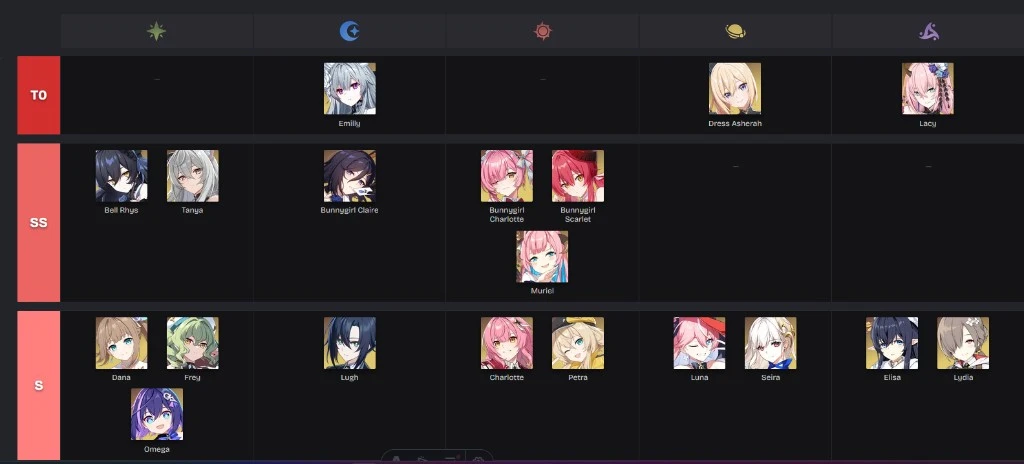
Tier List
Character List